Ben Klein · 6 November 2026
Chestnut Festival in Porano Aligns with School Biodiversity Initiatives to Influence Regional Visitor Patterns
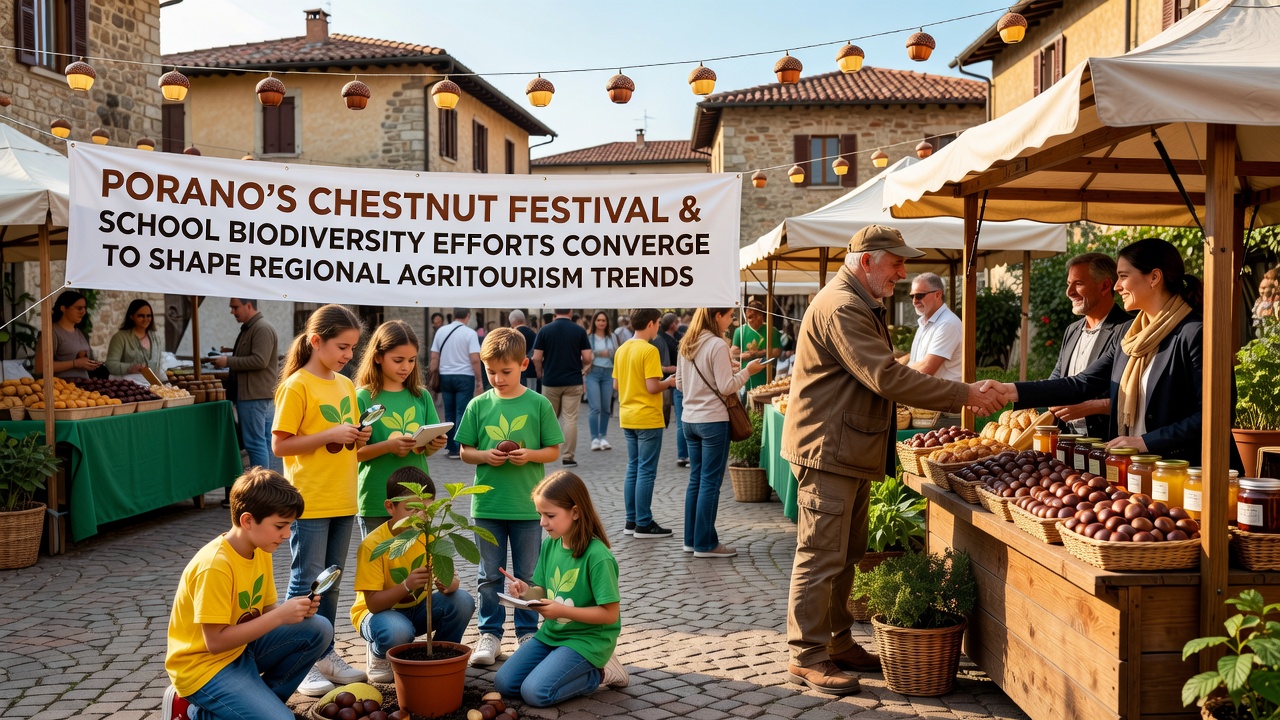
Porano's Chestnut Festival brings together traditional harvesting activities and educational biodiversity projects run by local schools, and these elements together create measurable shifts in how visitors approach agritourism across Umbria; the event runs each November and draws participants who combine tastings of roasted chestnuts with guided sessions on native plant species, while data from regional tourism boards shows increased overnight stays during the festival period.
Event Structure and November 2026 Schedule
Organizers schedule the festival for the second weekend of November 2026, and activities begin with early-morning chestnut collection walks through designated groves before moving to central market areas where vendors offer fresh produce alongside student-led demonstrations on soil health and pollinator habitats; schools coordinate these demonstrations in advance so that participating classes present research findings collected over the preceding academic year.
Attendance figures from previous seasons indicate steady growth, and records kept by the Umbria Regional Tourism Agency confirm that visitor numbers rose from 4,200 in 2023 to over 6,800 by 2025, while the 2026 edition incorporates additional trail routes that link the festival grounds directly to restored woodland areas maintained through student monitoring programs.
School Biodiversity Programs and Their Integration
Local primary and secondary schools maintain ongoing biodiversity plots where students track changes in insect populations and tree health, and these plots feed directly into festival programming because organizers invite classes to set up temporary exhibits that explain measurement techniques and observed trends; teachers report that students collect data on chestnut tree resilience against seasonal pests, and the resulting information appears in printed guides distributed to festival attendees.
Cooperation between schools and agricultural cooperatives extends beyond the festival dates, since students continue sampling work throughout the year, and findings contribute to broader regional reports on sustainable land management practices that agritourism operators later reference when designing visitor packages.
Impact on Regional Agritourism Trends
Agritourism operators in surrounding municipalities note that festival-linked bookings for farm stays and guided farm tours increase during the November period, and operators attribute part of this rise to the added educational component that appeals to families seeking activities beyond food sampling; figures released by the Italian Ministry of Agriculture show that properties offering biodiversity-focused tours report occupancy rates 18 percent higher than those without such elements during the same weeks.
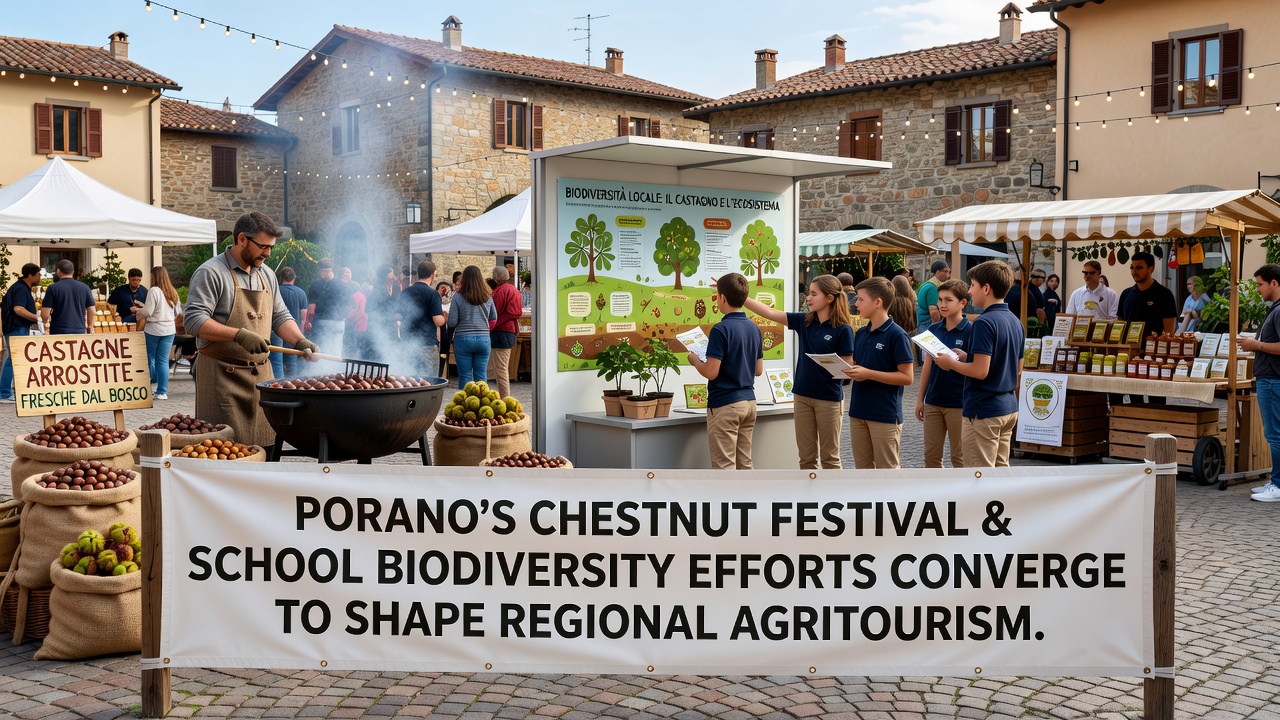
Regional planners observe that the combination of heritage food events and school initiatives creates repeatable models for other villages, and similar programs have appeared in nearby locations where chestnut groves also exist; the pattern suggests that educational components help extend visitor interest beyond peak harvest seasons and encourage repeat trips focused on seasonal monitoring updates.
Visitor Experience and Supporting Infrastructure
Participants move through a circuit that includes tasting stations, student presentation areas, and short interpretive walks, while signage installed by the local tourism office provides context on both chestnut cultivation history and current biodiversity indicators; shuttle services run from Orvieto station to reduce private vehicle use, and operators report that these services handle approximately 35 percent of total arrivals.
Local businesses prepare seasonal menus that incorporate chestnuts in both traditional and modern dishes, and several establishments partner with schools to feature student-designed labels that highlight sustainable sourcing; this collaboration adds an element of direct community involvement that many visitors mention when completing post-event feedback forms.
Conclusion
Porano's approach demonstrates how a single annual festival can serve as a platform for ongoing school projects that in turn support wider agritourism development, and the November 2026 edition continues this established pattern while expanding trail connections and exhibit formats; continued data collection by regional agencies will track whether these combined efforts sustain the observed increases in visitor engagement and overnight stays across the area.